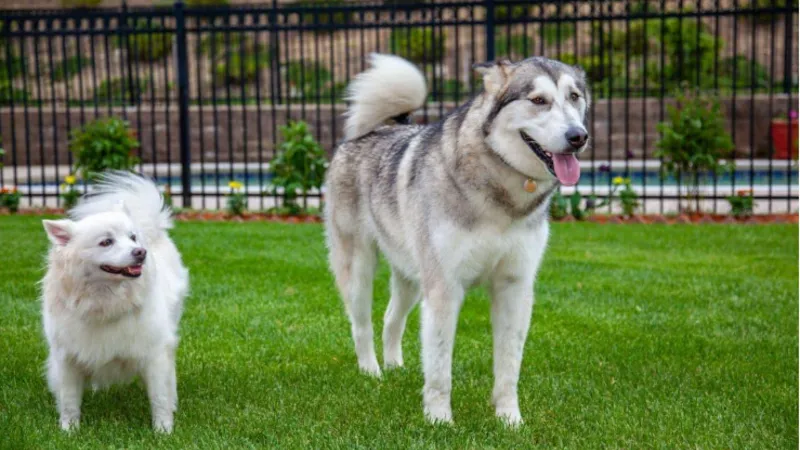
How dog fencing stands between a dog’s instincts and real danger can become clear in just one distracted moment. If a yard feels wide and open to a dog, new smells drift through the air, and small sounds quickly grab attention. A sudden movement flashes near the fence line. In that instant, the dog reacts. If the boundary is weak, it can fail quickly.
That is why fencing is not just a simple home upgrade. It works as a quiet safety system that protects daily life. It allows freedom while still keeping clear limits.
Families who have dealt with an escape rarely forget the fear. Maybe a gate was left open. Maybe there was a small gap under the fence. Then comes the sudden run toward the street. Moments like these change how people see their yard. It is no longer just decoration. It becomes a responsibility.
The Physics of Paws and Pressure
Dogs test structures with force and focus. A bored dog may lean and paw at one spot for days. A determined digger will return to the same corner again and again.
Physical dog fencing works because it respects this behavior. Layered mesh adds strength. Tension cable spreads pressure across a distance. Ground stakes limit digging under the base.
Force moves through the fence instead of breaking one weak point. That design detail matters more than many owners first realize.
Height also plays a role. A tall jumper calculates distance quickly. If the top rail bends or sags, it becomes an invitation. A firm line at the right height removes that option.
The Border That Teaches Without Words
A visible boundary does more than block movement. It quietly shapes behavior over time.
- Dogs learn through repetition and visual cues.
- A physical fence creates a clear and steady limit.
- Visible barriers reduce confusion during training.
- There is no reliance on power or collar signals.
- Dogs begin to test the boundary less often.
- Calm routines replace constant perimeter pacing.
When the line is clear and consistent, the lesson becomes permanent.
Corners: The Forgotten Stress Points
Many fence failures begin at corners. That is where tension gathers. That is where dogs focus their attention.
Corners need deeper posts and firm anchoring. Cable lines must stay tight. Even soil type matters. Loose ground can shift after heavy rain.
Careful corner support is seen as essential in fence design because, at Pet Playgrounds, firm edges are known to help avoid future strain.
Ignoring corners may save time during installation. It rarely saves effort later.
Soil, Weather, and the Long Game
Dog fencing must stand against more than paws. It must endure the ground beneath it and the weather above it.
- Sandy soil may loosen posts over time.
- Clay soil can shift during freeze and thaw cycles.
- Heavy rain may cause washout at low points.
- Snow buildup can add steady pressure to the mesh.
- Humid climates increase the need for corrosion resistance.
- Proper post depth improves long-term stability.
Planning for climate and soil turns a short-term barrier into a lasting structure.
The Human Routine Around the Fence
A secure boundary changes daily habits. Morning coffee on the porch feels calmer. Children play without constant recall commands. Guests enter through a clear gate rather than navigating confusion.
This is where dog fencing shows its full value. It supports family rhythm. It lowers background worry.
Dogs sense human mood. When owners relax, the dog relaxes. A steady yard becomes part of emotional balance.
Installation as a Test of Patience
The strength of a fence often reflects the care taken during installation.
- The first straight line sets the tone for the entire layout.
- Posts need proper depth for firm support.
- The mesh must be stretched evenly to avoid sagging.
- Tension cables should stay tight without strain.
- Gates require precise alignment for smooth use.
- Small adjustments early prevent future repairs.
Slow and steady work creates a fence that performs reliably for years.
Maintenance: Quiet but Essential
Even strong dog fencing needs simple care. Walk the perimeter once a month. Look for lifted mesh or soil washout. Tighten loose fasteners.
After heavy rain, inspect low points. After winter, check post alignment. Trim plants that press against the fence.
These tasks take minutes. They extend service life by years.
Dogs grow stronger over time. A young pup may not challenge the boundary. An adult dog might. Routine checks keep the fence ready for that growth.
Choosing for Behavior, Not Looks
Some fences look neat but fail under strain. Light decorative panels may bend with repeated pressure. Thin wire may tear under chewing.
Effective dog fencing puts structure first. Gauge thickness, cable support, and post spacing matter more than surface style.
Ask practical questions. How does the system prevent digging? How does it handle slopes? Does it include ground anchors? Clear answers reflect thoughtful design.
A yard is not a showpiece. It is a working space shaped by real behavior.
The Emotional Weight of an Escape
An escape changes how a family views its yard.
- A single open gate can lead to panic.
- Even friendly dogs may run toward traffic.
- Searching for a missing pet brings stress and fear.
- Neighbors and drivers may be put at risk.
- Trust in the yard feels shaken after one incident.
- A secure boundary restores daily peace.
When safety becomes certain, worry fades and confidence returns.
Conclusion: Lines That Protect Without Limiting
A fence is not about restriction. It is about guided freedom. Dogs need room to move, explore, and rest in the open air.
Dog fencing creates a safe frame around that freedom. It works quietly in the background of daily life.
When built with care and maintained with attention, it becomes part of the home’s foundation. The yard turns into a trusted space rather than a source of risk.
In that balance between instinct and structure, both dog and family find steady ground. For more information, visit our website.