Key Takeaways
- Net-zero energy homes are increasingly sought after in luxury real estate.
- Reclaimed and upcycled materials offer both character and eco-conscious benefits.
- Innovative smart technologies are redefining water conservation in premium homes.
- Biophilic design now creates luxurious, health-promoting spaces that nurture well-being.
- Wellness-centered amenities reflect a broader lifestyle shift towards holistic health in luxury living.
Sustainability is no longer just a buzzword in luxury real estate; it has become a foundation around which the most exquisite properties are now built. As priorities shift toward eco-friendly living and holistic wellness, discerning homeowners and developers are making deliberate choices to integrate environmental responsibility with sophisticated design. Typically, sustainability and high-end living were once seen as separate pursuits. Today, high-net-worth individuals understand that the two can be seamlessly blended, resulting in homes that are both beautiful and Earth-conscious. High-end homes reflect this evolution, combining state-of-the-art green technology with natural, sustainable materials to enhance performance, aesthetics, and comfort. Lake Oswego, OR real estate experts Luxe Forbes Global Properties play a leading role in advising clients on how best to incorporate and benefit from these emerging trends, as luxury buyers now increasingly demand homes that are as considerate of the environment as they are of their residents’ comfort.
Modern luxury properties seamlessly incorporate energy efficiency, resource conservation, and biophilic principles as core features rather than afterthoughts. Elegant interiors often showcase reclaimed architectural touches and cutting-edge, smart-home systems, catering to a clientele that expects both top design and responsible resource use. From fully net-zero structures to wellness-centered indoor spaces, sustainable design is now considered inseparable from luxury; it’s about elevating property value, enhancing quality of life, and reducing environmental impact. This new model of opulence extends beyond the house itself to include landscaping, community amenities, and the overall living experience.
Net-Zero Energy Homes
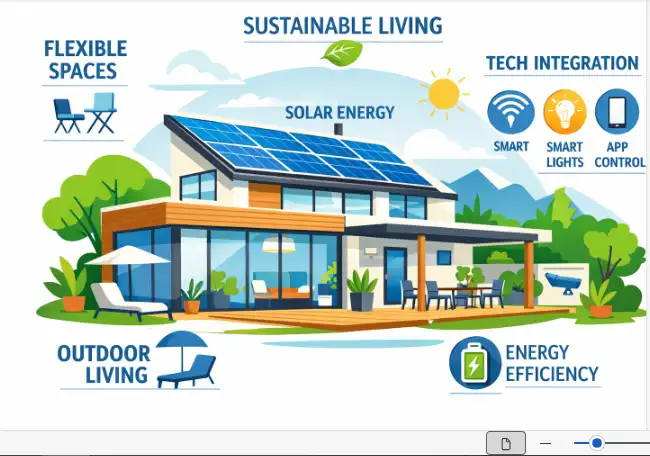
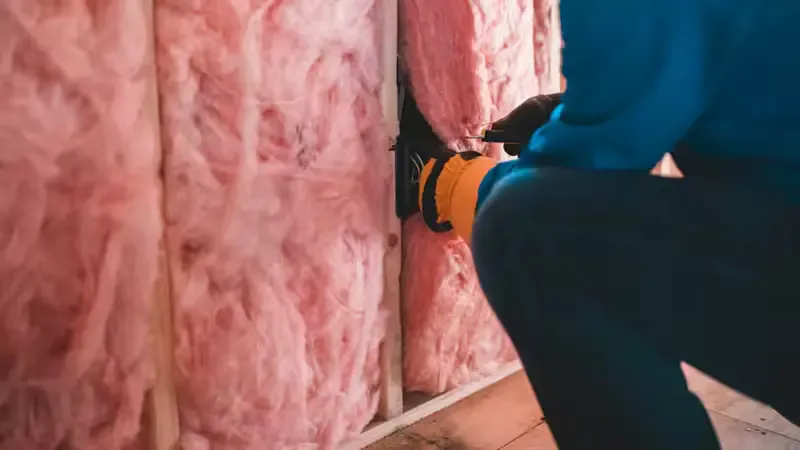
The rise of net-zero energy homes marks one of the most significant advancements in sustainable luxury real estate. These residences are meticulously designed to generate as much energy as they consume each year, using renewable sources such as solar or geothermal. Such properties employ airtight envelopes, triple-glazed windows, and advanced insulation products to minimize energy loss, making heating and cooling systems vastly more efficient. In the past, luxury estates were notorious for high energy demands and utility bills, but today’s high-end buyers are turning to designs that blend beauty and efficiency. Discreetly integrated solar panels paired with high-capacity battery storage systems can power even expansive luxury estates without compromising the roofline or landscape’s visual appeal. According to the International Energy Agency, achieving net-zero can reduce household emissions by more than 80 percent compared to traditional high-end properties, making a demonstrable impact. For discerning buyers, these homes represent not just a statement of environmental stewardship but also a shrewd investment with lower energy costs, greater comfort, and a future-ready property as global energy regulations tighten.
Reclaimed and Upcycled Materials
Beyond energy efficiency, luxury properties are increasingly defined by their authentic character, much of which comes from the strategic use of reclaimed and upcycled building materials. Top architects and boutique designers are now seeking out century-old timbers, vintage bricks sourced from demolished industrial buildings, and recycled glass accents for both their visual richness and eco-friendly profile. These materials infuse contemporary living spaces with unique stories and textures, distinguishing each home while also preserving historical details that might otherwise be lost. Antique oak beams are often repurposed as dramatic ceiling features, while reclaimed stone is crafted into artisanal fireplaces, anchoring modern spaces with timeless appeal. Transforming discarded elements into new masterpieces satisfies buyers seeking interiors that reflect their values—both luxury and ecological awareness. High-end brands and furniture makers now debut collections featuring salvaged materials, and properties that showcase such finishes are often appraised at a premium thanks to their unique blend of luxury and sustainability.
Smart Water Conservation Technologies
Water conservation has taken center stage in modern luxury homes, especially as drought has become a more frequent concern worldwide. Advanced irrigation controllers, efficient rainwater-harvesting systems, and graywater recycling systems have become desirable staples. These technological advancements ensure that a property can maintain lush, manicured grounds and pristine interiors while keeping water waste to an absolute minimum. Sensor-activated faucets, thermostatic and low-flow showerheads, and state-of-the-art leak detectors, all managed through smart-home apps, invisibly enhance a home’s efficiency. Even swimming pools and spas in luxury homes are using intelligent filtration and recirculation methods to conserve water without sacrificing luxury. These features highlight the marriage of convenience, innovation, and environmental consciousness at the uppermost end of the housing market. For prospective buyers, the promise of lower utility bills, fewer environmental concerns, and long-term resource management elevates these properties well above the norm.
Biophilic Design Integration
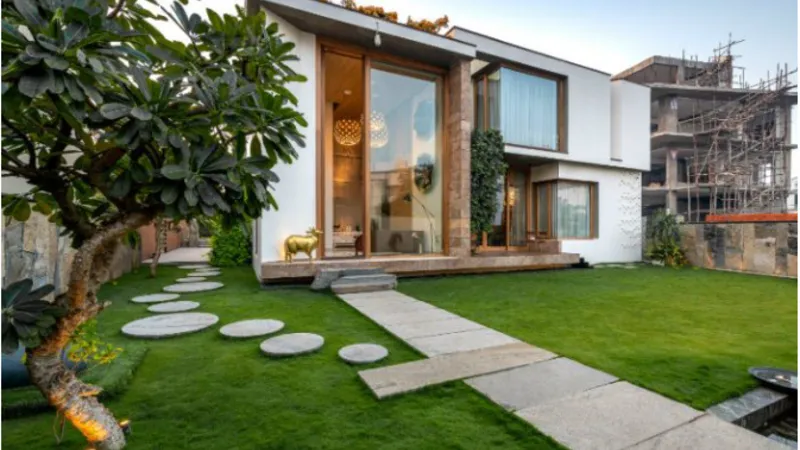
The desire to foster a close connection between indoor environments and nature drives the widespread adoption of biophilic design principles in luxury real estate. Modern estates now often feature expansive living green walls, tranquil courtyard gardens, and panoramic floor-to-ceiling windows that dissolve the traditional boundaries between indoor and outdoor spaces. Biophilic design also calls for natural wood finishes, stone surfaces, abundant daylight, and exceptional air circulation—factors repeatedly shown to reduce stress, boost productivity, and nurture health. Studies reveal that being surrounded by nature, even in a built environment, positively impacts mood and cognitive function. The wellness real estate movement is expanding rapidly as developers capitalize on research showing that biophilic features can raise property values and appeal, particularly among wellness-focused buyers. From private zen gardens to serene water features and rooftop terraces with native plantings, luxury homes are finding new ways to incorporate biophilic elements into daily life, ensuring a sustained sense of luxury rooted in health and tranquility.
Wellness-Centered Living Spaces
Prioritizing wellness is no longer a novelty or only reserved for destination spas; today, it is an integral part of luxury real estate offerings. Upscale homes now come equipped with dynamic circadian lighting systems, air and humidity quality monitors, and even automated soundscapes that can be tailored for relaxation or productivity at different times of day. Sophisticated environmental controls extend to smart beds that track and improve sleep quality, hydrotherapy tubs with water-purity sensors, and showers equipped with aromatherapy modules. Spaces dedicated to private gyms, meditation suites, or in-home yoga studios support a holistic lifestyle focused on physical, mental, and emotional well-being.
Forward-thinking developers and luxury community planners take this one step further, designing entire neighborhoods with integrated wellness amenities. These may include miles of walking, biking, and jogging trails, lush organic gardens, athletic pavilions, holistic health centers, and membership-based wellness clubs offering personalized services. This aligns with a broader societal transition toward proactive self-care, meeting the needs of buyers who are not simply searching for homes but for complete, wellness-supporting sanctuaries.
Final Thoughts
Sustainable design has dramatically transformed the meaning of luxury property ownership in recent years. The industry is increasingly redefining opulence to include net-zero energy commitments, handcrafted and reclaimed interior elements, intelligent resource conservation systems, and residential spaces that promote a strong sense of well-being and connection to the natural world. As these principles grow into the new normal for high-end homes, buyers and developers alike are recognizing that luxury living and environmental stewardship can, and should, go hand in hand. Modern luxury homes now stand not only as pinnacles of style and innovation but also as benchmarks of future-ready, responsible living that inspire the entire industry. For more information, visit our website.