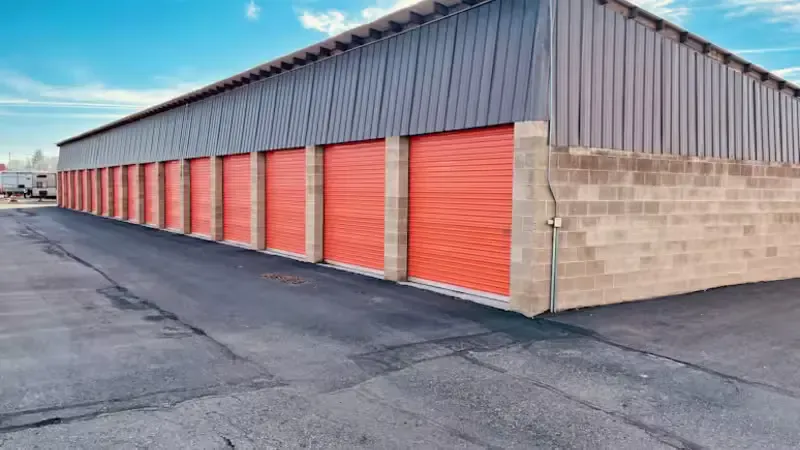
Home improvement projects have a way of taking over your living space. One weekend, you are repainting a bedroom, and the next, you are moving furniture into hallways to protect it from dust. Renovations, downsizing, and even seasonal reorganizing all create the same challenge: where do you put everything while your home is in transition? A storage unit gives you flexibility. It frees up square footage so contractors can work efficiently and so you can maintain some sense of order in the middle of change.
This is especially relevant in growing communities like Cedar Rapids, where many homeowners update older properties or invest in remodels to increase long-term value. Extra space becomes essential when you are replacing flooring, upgrading kitchens, or preparing a home for sale. A well-chosen local storage facility can support that process by keeping your belongings safe and accessible until your project wraps up.
Assessing Your Inventory and Choosing the Right Location
Before renting a unit, take stock of exactly what you plan to store. Walk through your home and create a written inventory. Include furniture, boxed décor, tools, seasonal items, and appliances that need temporary housing. Seeing everything listed in one place helps you estimate the required space and decide whether features like climate control are worth considering. A clear inventory also prevents overpaying for space you do not need.
Location should be your next consideration. During a renovation, you may need regular access to your belongings, which makes proximity important. Working with a trusted storage facility in your immediate area simplifies transportation and keeps your project moving efficiently. When evaluating Cedar Rapids storage units, prioritize facilities that offer reasonable pricing, convenient access, and dependable security features.
Determining the Right Unit Size for Your Needs
Storage units come in a range of sizes, and selecting the correct one prevents wasted money and frustration. A small 5×5 unit may hold boxes and a few small items, while a 10×10 or 10×20 space can accommodate the contents of multiple rooms. Measure large furniture pieces before renting to ensure accurate dimensions. Guessing often leads to paying for unused square footage or running out of room mid-project.
Think ahead about how long you will store your belongings. If your renovation timeline feels uncertain, consider slightly upsizing. A little extra space lets you organize properly rather than stacking items tightly together. That organization makes future access easier and protects your furniture from accidental damage.
Climate-Controlled vs. Standard Storage: When It Matters
Climate control is not always necessary, but in many cases it is worth the investment. Units with regulated temperature and humidity protect wood furniture, electronics, artwork, and important documents from warping or moisture damage. If you are storing items that could crack, fade, or develop mold in extreme heat or cold, climate control provides added peace of mind.
Standard units work well for durable belongings such as metal tools, patio furniture, and plastic storage bins. Consider the local weather patterns before deciding. Iowa experiences humid summers and freezing winters, and those seasonal shifts can impact sensitive materials. Matching the unit type to the items you store protects your investment long term.
Security Features That Protect Your Investment
When you move belongings out of your home, security becomes a top priority. Look for facilities with gated keypad access, perimeter fencing, and bright exterior lighting. These features discourage unauthorized entry and create a safer environment when you visit the property, especially during early mornings or evenings.
Video surveillance adds another layer of protection. Ask whether cameras operate continuously and whether management regularly monitors them. On-site staff presence can also improve oversight and response times. Since many people store expensive appliances, tools, and furnishings during renovations, strong security measures help safeguard the value of your home improvement efforts.
Accessibility and Gate Hours for Busy Homeowners
Access can make or break your storage experience. If you are juggling contractors, work, and family responsibilities, you need gate hours that fit your schedule. Some facilities offer extended or even 24-hour access, while others limit entry to business hours. Review these details carefully before signing a lease.
Also consider how easy it is to load and unload. Drive-up units simplify heavy lifting, especially when moving furniture or renovation materials. Wide aisles, convenient parking, and available carts can save time and prevent unnecessary strain during repeated visits.
Facility Cleanliness and Maintenance Standards
A clean storage facility signals strong management and attention to detail. When you visit, look for tidy grounds, clear walkways, and units free from debris. Check for proper drainage systems to reduce the risk of water intrusion during heavy rain or snow.
Ask about pest control policies and routine inspections. Consistent maintenance helps prevent issues such as mold, dust buildup, or rodent damage. Storing your belongings in a well-kept environment protects their condition and gives you greater confidence in your choice.
Understanding Rental Agreements and Insurance Options
Before committing, read the rental agreement closely. Pay attention to lease length, notice requirements, and policies regarding rate adjustments. Many facilities offer month-to-month contracts, which provide flexibility if your renovation timeline shifts.
Clarify any additional fees for administration, locks, or late payments. It is also wise to ask about insurance coverage. Some homeowner or renter policies cover stored items, but others require separate coverage. Confirming these details upfront prevents unexpected costs later.
Location Convenience and Long-Term Cost Considerations
Convenience affects both your schedule and your budget. A nearby facility reduces travel time and fuel expenses, especially if you plan to access the unit regularly. Even small distances add up over weeks or months of renovation work.
Compare pricing structures carefully. Introductory discounts may look attractive, but standard rates matter more if you anticipate long-term storage. Factor in the total cost, including transportation and packing supplies, to understand the true financial commitment.
Packing and Organization Tips to Maximize Your Space
Smart packing makes a noticeable difference in how efficiently you use your unit. Choose sturdy, stackable boxes and label them clearly on multiple sides. Place heavier items at the bottom and distribute weight evenly to avoid damage.
Create a simple layout inside the unit. Leave a small walkway so you can access items without having to unload everything. Disassemble large furniture when possible and use protective covers to guard against scratches and dust. Organized packing saves time and reduces frustration later. For more information, visit our website.