Key Takeaways
- Cost Variability: Dental implant pricing differs widely depending on region, provider skills, and need for supplementary procedures.
- Insurance Limitations: Many dental insurance policies provide only partial coverage for implants, leaving patients to cover most of the costs out of pocket.
- Financial Planning: Leveraging financial products such as payment plans and health savings accounts allows for smoother management of expected expenses.
If you are considering dental implants to replace missing teeth, understanding the full cost is essential for effective budgeting. Dental implants are recognized for their durability and natural appearance, making them a preferred option for tooth replacement, but the investment required can be a significant financial commitment. The costs of dental implants depend on several factors, including the complexity of the procedure and the location and reputation of the dental clinic. This article explains the most important cost factors and outlines actionable strategies to help you plan financially, ensuring you are well-prepared before undergoing treatment.
When analyzing the financial aspects of dental implant treatment, it is important to break down each component that contributes to the total price. From preliminary assessments to final placement, knowing exactly what you are paying for can help you avoid unpleasant surprises down the road. For those experiencing sticker shock, exploring all available options and comparing local providers can make a significant difference. Dental implant procedures are highly customizable, meaning the price can rise if additional work is needed. Procedures such as bone grafting or extractions may be prerequisites for implant placement and can affect both the timeline and the cost. Examining these additional steps early on can help you plan accordingly.
Understanding the Cost Components of Dental Implants
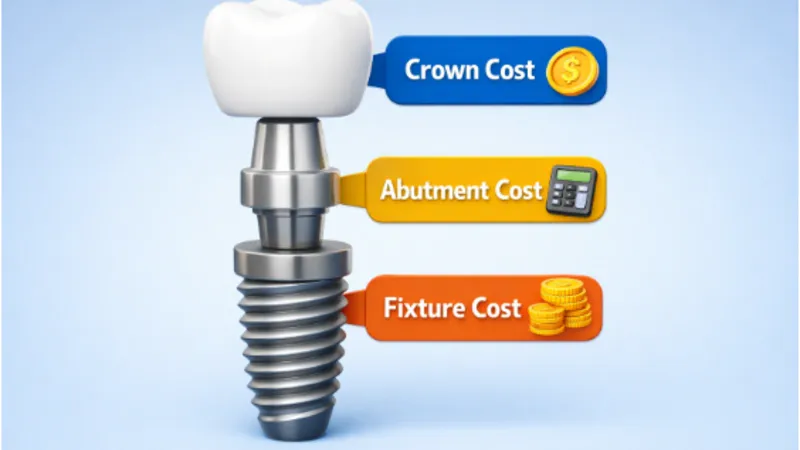
Dental implant treatment is divided into several phases, each with its own cost. The three main components are:
- Implant Fixture: The titanium screw that acts as the tooth root and is surgically inserted into the jawbone.
- Abutment: This piece connects the implant fixture to the visible crown, providing stability.
- Crown: The prosthetic tooth that is customized to match your natural teeth in shape and color.
Extra preparatory procedures, like ridge modification or sinus lifts, may be necessary depending on your bone structure. These can increase the total cost but are vital for ensuring long-term success and implant stability.
Factors Influencing Dental Implant Costs
Dental implant prices are not fixed, and several variables affect what you will ultimately pay. Here are the most influential factors:
- Geographic Location: Prices can differ substantially based on where the clinic is located. Urban clinics may have higher rates due to higher operating costs. In fact, some metropolitan markets have been found to charge more than 60 percent above the rates charged in other regions. This cost discrepancy is why it pays to look beyond your immediate area if possible (Dental Economics).
- Provider Expertise: Surgeons and dentists with advanced training and a proven track record often charge more. While the upfront cost may be higher, choosing a reputable provider may reduce the risk of complications or the need for corrective procedures later.
- Material Quality: The selection of implant and crown materials, such as titanium versus zirconia, will influence both the look and longevity of the solution. While premium materials can raise costs, they may add value in the long term by minimizing the risk of breakage or discoloration.
Insurance Coverage and Out-of-Pocket Expenses
Despite growing recognition of dental implants as the gold standard for tooth replacement, most dental insurance policies are restrictive in their coverage. Implants are often categorized as major procedures, resulting in reimbursement rates at or below 50% of the allowed charges. Moreover, dental plans typically cap annual benefits at $1,500 to $2,000, meaning patients may have to pay most of the cost out of pocket. Understanding the specific language of your insurance benefits before starting the process can help you budget more accurately.
Strategies to Manage Dental Implant Costs
There are ways to alleviate the financial burden of dental implants:
- Dental Insurance: Review coverage details and annual spending limits. Sometimes, medical insurance may help cover procedures like extractions or bone grafts if deemed medically necessary.
- Financing Plans: Many providers have relationships with third-party financiers or offer in-house payment plans. These options can help you spread the cost over months or years, making treatment more accessible.
- Health Savings Accounts (HSA) & Flexible Spending Accounts (FSA): Contributions to these accounts are pre-tax and can be used for qualified dental expenses, including implants. This can lower your out-of-pocket cost by reducing your taxable income.
- Dental Schools: Teaching hospitals and dental schools frequently provide implant services at a reduced rate. Procedures are performed by advanced students under the supervision of experienced faculty members, offering a budget-friendly alternative for eligible patients.
Technological Advances and Their Impact on Costs
The dental industry has seen significant technological advancements in recent years. These include innovations such as 3D planning, computer-aided design and manufacturing, and improved implant materials. While new technology can increase up-front procedure costs, it often brings benefits such as reduced procedure time, accelerated healing, and a lowered risk of complications. These improvements can result in savings over the life of the implant and better patient outcomes.
Conclusion
Investing in dental implants requires thoughtful consideration of both short-term and long-term costs. By breaking down the cost structure, understanding what influences pricing, and exploring creative financing solutions, you can make an informed choice that supports your oral health without undue financial stress. Careful planning and provider comparison are essential steps for anyone considering implants to replace missing teeth. For more information, visit our website.