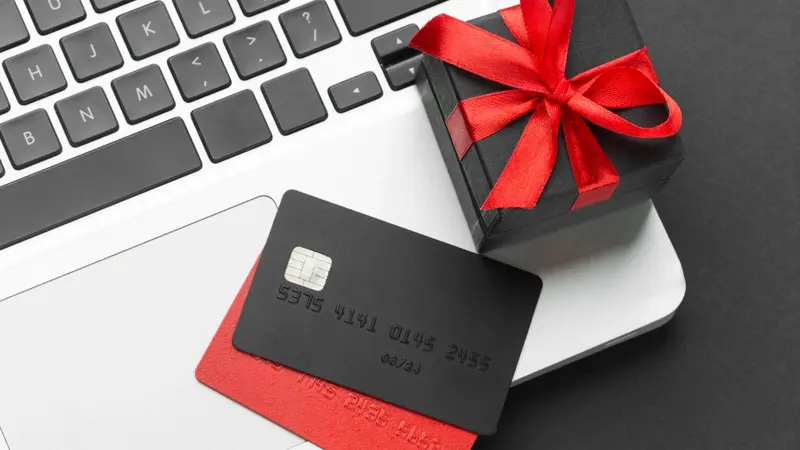
Remember when sending a gift meant driving to the mall, hunting down a card that wasn’t terrible, and nervously tracking a package? That whole ordeal is largely behind us. E-cards and gift cards have quietly reshaped celebration culture, efficiently and in ways most people didn’t see coming.
Used together, they solve real problems: last-minute panic, remote distances, and the universal challenge of making someone feel genuinely seen. If you haven’t explored how they work in tandem, here’s your complete breakdown.
What Digital Greeting Cards and Online Gift Cards Actually Are
Modern Digital Greeting Cards vs. Paper
Let’s be honest, nobody misses the stamp. Digital greeting cards have grown well past their “email attachment” roots. Today, they support embedded video messages, GIFs, department-wide group signatures, and photo galleries. That’s genuinely different from a folded piece of cardstock.
Speed and personalization are the obvious wins. But what’s often overlooked is how much richer the experience has gotten. For teams celebrating work anniversaries, farewells, or milestone moments, platforms built specifically for recognition, including solutions described as best ecards, like Kudoboard, integrate group contributions, branded design, and gift card delivery inside one shareable link. That’s a meaningful leap from “pretty template + email.”
How Online Gift Cards Work
Honestly, the mechanics are straightforward once you see them. When someone buys a gift card, the platform generates a unique code or secure redemption link, which is delivered via email, SMS, or directly to a mobile wallet. At checkout, online or in-store via barcode, the recipient applies it. Done.
What makes this relevant to your gifting strategy is understanding that *delivery method shapes redemption behavior*. A gift card buried in a cluttered inbox is a gift card that never gets used. Platforms that push directly to Apple Wallet or Google Pay remove that friction entirely. Partial redemptions are standard. Fraud protections like single-use links and sender verification are increasingly expected on reputable platforms.
Why These Two Are Merging
People want a complete experience. Click, sign, attach, send. No separate transactions, no logistics juggling. Combining e-cards with gift cards addresses several friction points simultaneously, cross-border gifting, remote team celebrations, and rushed birthdays, where you just need something to work.
Picture this: twelve colleagues pile onto a shared card for someone’s last day, each adding a personal note. Attached is a gift card to their favorite coffee chain. The card carries the emotion. The gift card carries the utility. Neither feels like filler.
The Real Benefits Worth Knowing
Mechanics aside, here’s where things get genuinely compelling, whether you’re an individual or running a recognition program at scale.
Emotional Weight Plus Something Spendable
Combining a heartfelt message with real spending power just lands differently. Research supports this instinct: 81% of adults say it’s important that a gift card covers the full cost of a meal. That expectation around “completeness” should inform the denominations you choose; recipients notice when a gift feels generous versus when it feels like a token gesture.
Add personalization on top, inside jokes, individual messages, shared memories, and you’ve created something the recipient actually thinks about afterward.
Convenience That Works for Everyone
Sending eGift cards from your phone takes maybe five minutes. Scheduled delivery means you can queue a card for someone’s birthday at exactly 8 AM their time. Instant resends cover the inevitable “wait, did that go through?” moment.
On the receiving end, mobile wallet integration is increasingly the default expectation. And for good reason, 83% of consumers say they could be persuaded to store gift cards digitally. Higher accessibility drives higher redemption. The gift actually gets used rather than forgotten.
A Legitimate Sustainability Choice
Cutting paper cards, plastic gift cards, and postage isn’t just a nice-to-have detail; for organizations with environmental commitments, it’s a meaningful alignment between stated values and daily practices. The convenient option and the responsible option happen to be the same one here. That’s rarer than it sounds.
Visibility and Security That Cash Can’t Offer
Physical cash gets lost. Physical gift cards get tucked into a wallet and forgotten, or worse, intercepted. Digital gifting changes that by giving senders clear visibility: you can see when an ecard is opened, whether the gift card is redeemed, and spot anything unusual.
Why does this matter? Because gift card misuse and fraud are real concerns. Using platforms with secure claim links and proper sender verification helps reduce that risk. It adds a layer of safety while also making the experience smoother and more reliable for both the sender and the recipient.
Where This Combination Works Best
| Use Case | eCard Role | Gift Card Role |
| Birthday (personal) | Fun animation + group signatures | Favorite restaurant or retailer |
| Employee recognition | Branded appreciation message | Spot bonus or experience card |
| Client thank-you | Professional branded greeting | Universal gift card |
| Holiday campaign | Seasonal design + promo message | Loyalty reward or discount card |
| Team farewell | Collaborative group card | Shared experience or subscription |
What stands out across every scenario: the greeting handles the *emotion*, the gift card handles the *utility*. Nothing feels redundant because they’re doing fundamentally different jobs.
Picking the Right Platform
Not every tool handles both sides with equal care. You want platforms that support intuitive ecard creation, multiple delivery channels, mobile wallet compatibility, and clear redemption tracking. If you’re operating at a business level, look specifically for bulk sending capability and approval workflows; those matter more than you’d expect once volume increases.
The Bottom Line
The convergence of e-cards and gift cards isn’t a passing moment; it’s a direct response to how people genuinely want to connect and celebrate now. Faster. More personal.
Trackable. Environmentally cleaner. Whether you’re marking a colleague’s promotion or building a company-wide recognition system from scratch, pairing a thoughtful digital card with something spendable is one of the most straightforward upgrades available to you. Start with one use case, watch how people respond, and expand from there. The results tend to speak for themselves.
FAQs on eCards and Gift Cards
1. Do digital gift cards expire or lose value over time?
In many countries, digital gift cards cannot legally expire for a certain period, and some never expire at all. However, the rules vary depending on the issuer and region. While the balance typically remains intact, inactivity fees may apply in rare cases after long periods of non-use. It is always best for recipients to check the issuer’s terms and redeem the card within a reasonable timeframe to avoid complications.
2. Can recipients exchange a digital gift card for a different brand or cash?
Most digital gift cards cannot be exchanged for cash unless required by local consumer protection laws. Some platforms, however, allow recipients to swap one brand’s card for another through internal exchange marketplaces. This flexibility helps recipients choose something they genuinely want if the original retailer is not relevant to them.
3. Are digital greeting cards and gift cards accessible for people who are not tech-savvy?
Yes. Most modern platforms design digital greeting cards and gift cards to work with simple links that open instantly on a phone or computer. Recipients usually do not need to create an account or download an app. Clear instructions, one-click redemption links, and mobile wallet compatibility make the process straightforward even for people with limited technical experience.