Key Takeaways
- Regular maintenance extends the life and improves the efficiency of your water heater.
- Modern, energy-efficient models can deliver considerable cost savings over time.
- Financial incentives and rebates are available to support homeowners making energy-efficient upgrades.
Table of Contents
- Understanding Your Water Heater
- Routine Maintenance Tips
- Signs Your Water Heater Needs Attention
- Upgrading to Energy-Efficient Models
- Financial Incentives and Rebates
- Professional Servicing vs. DIY Maintenance
- Conclusion
Caring for your water heater is essential in today’s home, ensuring you consistently have hot water for daily comfort and efficient energy use. Neglecting proper care can cause your system to work harder, costing you both money and convenience. Whether you have an older unit or are considering an upgrade, understanding the right steps for water heater repair and new installation in Salt Lake City can make a significant difference in your home’s utility performance and savings.
Modern homeowners value both reliability and cost savings. Regular attention to your water heater’s needs helps prolong its lifespan and minimize expensive issues. With expert knowledge of your unit and routine maintenance, you can keep your water heater running efficiently for many years to come.
An energy-efficient water heater is especially important as utility costs rise and environmental concerns become more pressing. Even small changes in care can lead to substantial savings and reduced environmental impact. Proactively addressing maintenance, upgrades, and incentives enhances your comfort and your wallet.
For those ready to take the next step, learning about tax credits and local rebates can make water heater upgrades more affordable than ever, helping you invest wisely in your property.
Understanding Your Water Heater
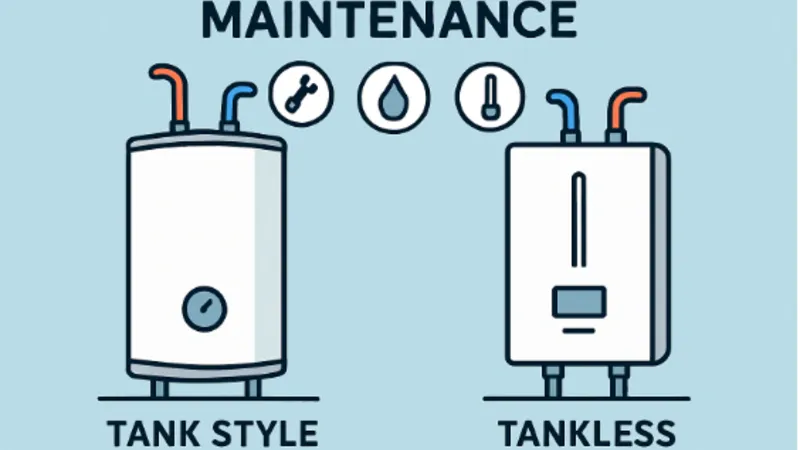
Home water heaters are typically found as either storage tank units or tankless models. Each type differs in how it heats and stores water, which influences the way it should be maintained. Traditional tank units hold a measured supply of hot water, making them vulnerable to sediment build-up and corrosion, while tankless models heat water on demand and can require different care.
Knowing whether your heater runs on electricity, gas, or uses a heat pump is key when establishing a maintenance regimen. Reviewing the manufacturer’s manual will familiarize you with unique features and recommendations for your specific equipment.
Routine Maintenance Tips
To get the most from your water heater, a consistent schedule of preventative care is essential. These basic upkeep measures help your system operate safely and efficiently, reducing the risk of major breakdowns:
- Flushing the Tank: Remove sediment annually by draining a few gallons from the tank. This prevents clogging and improves energy transfer, vital for maximizing your heater’s output and efficiency.
- Inspecting the Anode Rod: The anode rod acts as a shield against corrosion inside the tank. Inspecting every two to three years and replacing as needed keeps the tank in good working order.
- Adjusting the Temperature: Set the thermostat to 120°F to balance energy savings with a steady supply of hot water, as recommended by the U.S. Department of Energy.
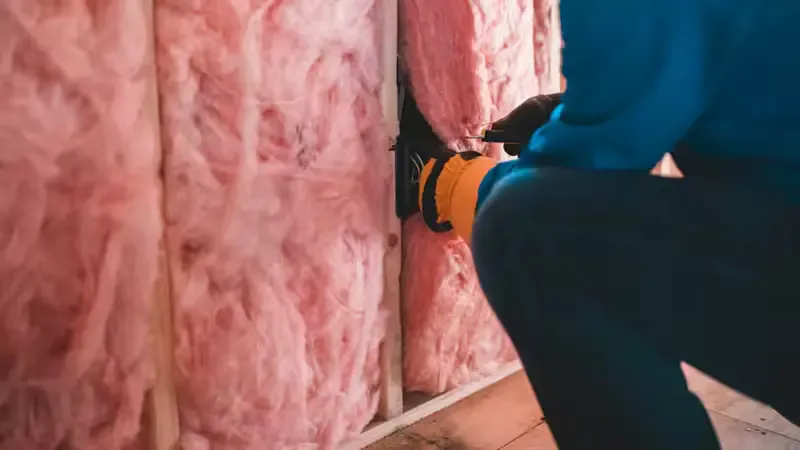
- Insulating the Tank and Pipes: Insulation helps minimize standby heat loss, making your system more energy-efficient.
Signs Your Water Heater Needs Attention
Recognizing early warning signs can help you address issues before they develop into costly repairs or replacements. Watch for:
- Inconsistent Water Temperature: If your showers switch rapidly from hot to cold, it could be a sign of a failing thermostat, heating element, or accumulating sediment.
- Unusual Noises: Rumbling or popping noises usually indicate that sediment has hardened on the bottom of the tank, impeding heat transfer and efficiency.
- Discolored Water: Rusty or discolored water suggests internal corrosion or possible breakdown of the tank liner.
- Leaks: Any water pooling around your heater is a sign of trouble, either from pressure valve discharge or damage to the tank itself, calling for prompt assessment by a professional.
Upgrading to Energy-Efficient Models
Homeowners have increasing choices in energy-efficient water heaters. Heat pump water heaters, for example, use a fraction of the energy of conventional electric tank units, often saving families hundreds each year on utility bills. According to ENERGY STAR, a heat pump water heater can use up to 70 percent less energy than a standard electric model.
Besides lower operational costs, new models often feature longer warranties and advanced safety systems, adding further value to your investment. These upgrades are especially enticing when paired with financial incentives designed to offset installation costs.
Financial Incentives and Rebates
Federal and local programs make upgrading to efficient water heaters more attainable for families. Homeowners can take advantage of a federal tax credit of up to $2,000 when they install a qualifying heat pump water heater before the end of 2025. Additional savings may be available from state and local agencies.
In some cities, like San Francisco, homeowners can earn bill credits of up to $1,200 for eligible energy-efficient installations. These incentives make it easier to invest in leading-edge technology and start saving right away on monthly bills.
Professional Servicing vs. DIY Maintenance
Some water heater tasks are safe for handy homeowners who are confident working with plumbing and electrical connections. These include temperature adjustments, routine draining, and adding insulation to tanks or pipes. Following proper safety procedures is critical. However, tasks involving the anode rod, repairs for leaks, gas line issues, or complex electrical components should always be handled by a licensed professional to ensure safe, reliable operation and to preserve any warranties on new units.
Relying on experts helps identify problems early and ensures your system meets all local codes and performance standards, especially when you are considering replacement or complex upgrades.
Conclusion
Staying proactive about your water heater’s care brings immediate and long-term rewards. From flushing the tank and inspecting components to contemplating energy-efficient upgrades with support from government programs, a little attention goes a long way. Embrace a routine maintenance plan, watch for warning signs, and leverage financial incentives to protect your comfort and your budget for years to come. For more information, visit our website.