Key Takeaways
- Energy-efficient windows can significantly reduce heating and cooling costs.
- Modern window technologies offer improved insulation and comfort.
- Proper installation is crucial for maximizing energy savings.
Upgrading to energy-efficient windows is a key step for homeowners who want to lower their energy expenses and enjoy a more comfortable indoor environment year-round. Innovations in window design and materials provide a wide range of options that can dramatically improve a home’s energy performance. Those considering window replacement in North Texas should learn more about double pane windows Fort Worth to make an informed choice.
Modern window solutions go beyond just adding extra glass panels. New technologies now focus on reducing thermal transfer and minimizing energy loss, delivering comfort and cost savings. In regions with variable climates, the right windows can make a noticeable difference to indoor temperatures and utility bills.
Understanding Energy-Efficient Windows
Energy-efficient windows are engineered to reduce heat transfer, helping maintain a stable temperature inside your home. These windows usually feature multiple glass panes, specialized coatings, and even inert gas fills between panes to inhibit heat flow. By curbing unwanted heat transfer, homeowners can enjoy warmer interiors in winter and cooler rooms in summer, all while reducing their reliance on heating and cooling systems.
Today’s options allow homeowners to tailor their window choice to their unique climate and lifestyle needs. Advancements in window technology have not only increased energy efficiency but also improved noise insulation and enhanced security for residential properties. These benefits make energy-efficient windows a practical and attractive investment for anyone seeking long-term savings and comfort.
Types of Energy-Efficient Windows
Double and Triple Glazing
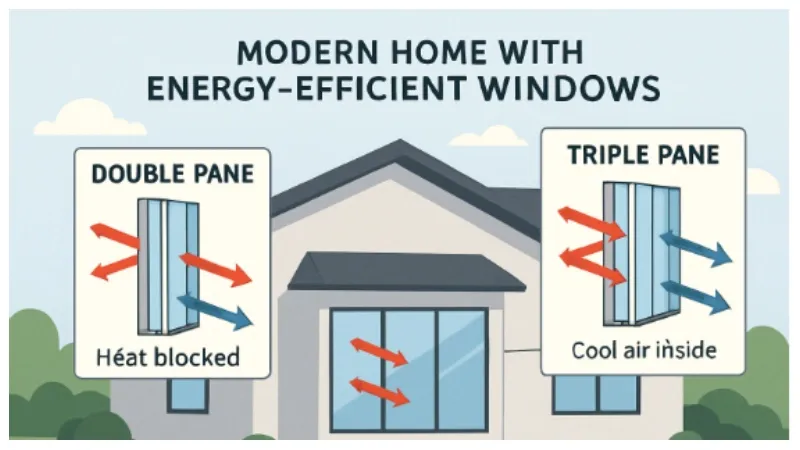
Double-glazed windows feature two panes of glass separated by an insulating gap, often filled with inert gases such as argon or krypton, to enhance insulation and slow down heat loss. Triple-glazed windows take it a step further by adding a pane and a gas-filled gap, resulting in up to 50 percent better insulation than standard double-glazing. This makes them a preferred choice for homes in regions experiencing extreme temperatures or for homeowners seeking maximum energy savings. According to the U.S. Department of Energy, upgrading to these window types can make a substantial difference in overall household energy use.
Low-Emissivity (Low-E) Glass
Low-E glass windows have a nearly invisible coating made from microscopic layers of metallic oxide. This special film reflects infrared heat while allowing visible light to pass through. As a result, your living spaces stay bright and welcoming while preventing heat from escaping during colder months or from entering during the summer. Low-E windows strike an ideal balance between insulation and natural daylight, making them especially suited to homes in climates with fluctuating temperatures.
Vacuum Insulated Glazing (VIG)
VIG units represent one of the latest advancements in window insulation technology. These consist of two or more panes of glass separated by a near-perfect vacuum, which virtually eliminates heat transfer by conduction and convection. The vacuum barrier serves as an outstanding insulator, making VIG windows particularly effective for homes where optimal energy efficiency and noise reduction are priorities. Although currently less common, as production methods become more widespread, VIG is set to become a popular choice for high-performance new builds and renovations.
Benefits of Energy-Efficient Windows
- Lower Energy Bills: By reducing thermal transfer, energy-efficient windows can cut heating and cooling costs by as much as 25 percent. This not only results in monthly savings but can also increase your home’s value by making it more appealing to future buyers.
- Year-Round Comfort: Enhanced insulation helps maintain more consistent indoor temperatures, reducing drafts and providing a cozier living environment in winter and preventing overheating in summer.
- Positive Environmental Impact: Reducing your home’s reliance on fossil fuel-derived heating and cooling decreases your carbon emissions and supports broader energy conservation goals.
Considerations for Installation
Even the highest-quality energy-efficient window cannot deliver its full benefits without proper installation. Incorrectly installed windows allow air infiltration, reduce insulation value, and may even lead to moisture damage. Always choose experienced installers who understand local building codes and follow manufacturer guidelines closely. Professional installation also typically includes warranties for artistry, providing homeowners with extra peace of mind.
Cost and Return on Investment
The upfront cost of energy-efficient windows is usually higher than that of standard windows, but the energy savings typically offset this initial investment within a few years. The payback period varies based on climate, the age of your current windows, and how much you use your heating or cooling systems. Additionally, many areas offer financial incentives, such as tax credits or rebates, for qualifying upgrades. For example, in 2024, the federal tax credit allows for a deduction equaling 30 percent of your window installation costs, up to $600 per year. This can make upgrading significantly more affordable for homeowners looking to improve energy performance without breaking the bank. For further information, visit Consumer Reports’ energy-saving guide.
Conclusion
Energy-efficient windows represent a smart, sustainable improvement for any modern home. With several options available, from traditional double- and triple-glazing to cutting-edge vacuum-insulated solutions, there is a solution suited to every style and budget. Choosing the right windows and ensuring proper installation will provide long-lasting savings, consistent indoor comfort, and a reduced environmental impact, making the investment well worth it for homeowners seeking to modernize and future-proof their residences. For more information, visit our website.