Key Takeaways
- Understand the different types of window blinds and their unique features.
- Consider factors like room function, light control, and energy efficiency when choosing blinds.
- Proper measurement and installation are crucial for optimal performance and appearance.
Choosing the perfect window blinds for your space involves more than simply matching colors or styles; it requires balancing functionality, comfort, and overall design. Blinds play a key role in controlling light, enhancing privacy, and even improving energy efficiency within a room. With a wide range of options available, from wood and faux wood to vertical and aluminum styles, each type offers unique benefits suited to different needs and environments.
Understanding these differences can help homeowners and designers make more informed decisions when selecting window treatments that align with both aesthetic goals and practical requirements.
As you explore various options, it can be helpful to review curated selections and examples, such as those found at https://mitskc.com/window-blinds/, to better understand how different materials, finishes, and features come together in real spaces. Observing how blinds are used across settings can provide insight into what works best for specific room sizes, lighting conditions, and interior styles. Ultimately, choosing the right window blinds is about creating a balance between visual appeal and everyday usability, ensuring your space remains both comfortable and functional.
Types of Window Blinds
Window blinds come in a variety of styles, each offering distinct benefits in terms of appearance and usability. Familiarizing yourself with the most common types will help you identify which suits your space best:
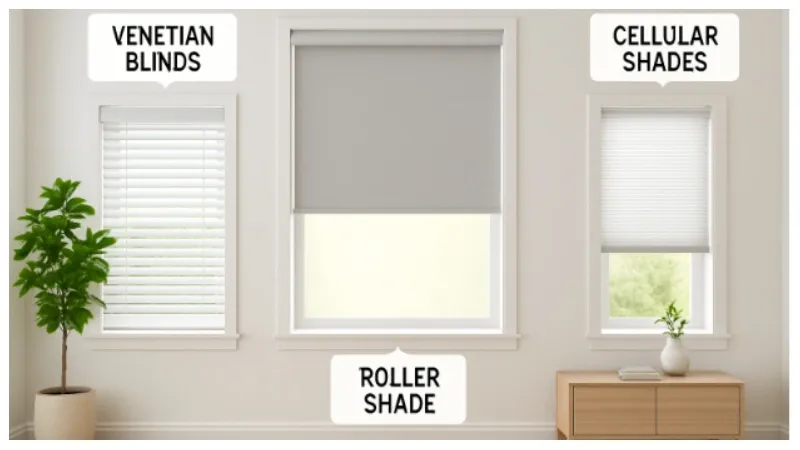
- Venetian Blinds: These feature horizontal slats that can be tilted for precise control over light and privacy. Made from materials like wood, aluminum, or PVC, Venetian blinds suit everything from classic studies to modern living rooms.
- Vertical Blinds: With vertical slats that draw to the side, these blinds are excellent for wide windows and sliding glass doors. Their design provides easy operation and allows for gradual light adjustment.
- Roman Shades: Roman shades provide a timeless, fabric-based alternative that folds up neatly when raised. Their fabric can range from sheer to blackout, making them versatile for bedrooms or formal living spaces.
- Roller Shades: Featuring a single sheet of fabric that rolls up, roller shades are simple, practical, and available in both translucent and opaque styles. Their simplicity is perfect for minimalist spaces or rooms where the view is a priority.
- Cellular (Honeycomb) Shades: Designed with a honeycomb structure, these shades trap air for additional insulation. Cellular shades work well in rooms where temperature control is important and come in a variety of colors and light-filtering options.
Factors to Consider When Choosing Blinds
Selecting the appropriate window blinds requires balancing practicality, longevity, and style to fit each room in your house. Begin by thinking about the room’s function. Bedrooms often benefit from blackout or room-darkening blinds for better rest, whereas busy living spaces may need durable, light-filtering options that keep the room bright without harsh glare.
Controlling light and privacy is also crucial, especially for rooms facing the street or neighboring homes; adjustable slatted blinds, such as Venetian or vertical styles, provide flexibility, while roller and Roman shades offer varying privacy levels based on fabric opacity. Energy efficiency is another important aspect, with options like cellular shades helping to control indoor temperatures and reduce energy bills.
Choosing the right materials is crucial, especially in areas that are prone to moisture or sunlight. For kitchens and bathrooms, faux wood and aluminum blinds are ideal because they resist warping and fading. Additionally, consider the overall style and aesthetic of your home. It’s important to ensure your blinds complement your color palette, whether you prefer neutral tones for a calming atmosphere or bold patterns for visual interest.
Measuring and Installing Blinds
To ensure a professional, customized look, precise measurements and installation are crucial. Follow these steps:
- Measure the Width: For inside-mount blinds, measure the width at the top, middle, and bottom of the window frame and use the narrowest point for accuracy. For outside-mount options, measure beyond the frame to your desired coverage for a more expansive appearance.
- Measure the Height: Record the height from the top of the frame to the sill (for inside-mount), or from the mounting point to the bottom of your chosen drop length (for outside-mount). Always double-check for accuracy.
- Depth Measurement: Some blind styles require a minimum window depth to fit properly within the frame. Refer to the manufacturer’s guidelines to verify your window can accommodate your chosen style.
While installation can be a satisfying DIY project for handy homeowners, professionals can help measure and install your blinds for a flawless fit and finish. Many local retailers offer these services to streamline the process and guarantee optimal performance.
Maintenance and Care
Proper maintenance and care are essential to keep your window blinds looking clean and functioning smoothly over time. Regular dusting with a microfiber cloth or duster helps prevent buildup and keeps surfaces fresh. For deeper cleaning, some blinds can be lightly vacuumed or wiped with a damp cloth, though it’s important to follow manufacturer guidelines, especially for delicate materials like fabric, Roman shades, or cellular designs. Addressing minor issues promptly, such as broken mechanisms or bent slats, can extend the lifespan of your blinds and maintain the overall appearance of your space.
Conclusion
When selecting window blinds, balancing functionality, style, and budget allows you to create a personalized solution that enriches your home’s atmosphere. By understanding the array of materials and styles, considering the unique needs of each space, and ensuring accurate measurement and ongoing maintenance, you can enjoy beautiful, well-functioning blinds for years to come. For more information, visit our website.