At some point, many growing families realize their home no longer feels as comfortable as it once did. A new baby arrives. Remote work becomes permanent. Children who once shared toys now need separate desks. The house stays the same, but the demands on it increase. Interior space fills up quickly as family life evolves.
Most homeowners begin with simple fixes. They reorganize closets, donate unused items, and add shelving. Those changes help temporarily. But when every cabinet is full, and each room serves multiple purposes, the issue is no longer clutter. It is capacity. Recognizing that your home has reached its limit allows you to make smarter decisions that support your family’s comfort and long-term stability.
Managing Household Inventory: When Every Closet Is Already Full
One clear sign that you need more space is struggling to manage household inventory. You open a closet and shift multiple items to reach the one you want. Bins pile up in bedrooms. Garage shelves hold things you rarely use but are not ready to discard. Daily routines become less efficient because nothing has a consistent place.
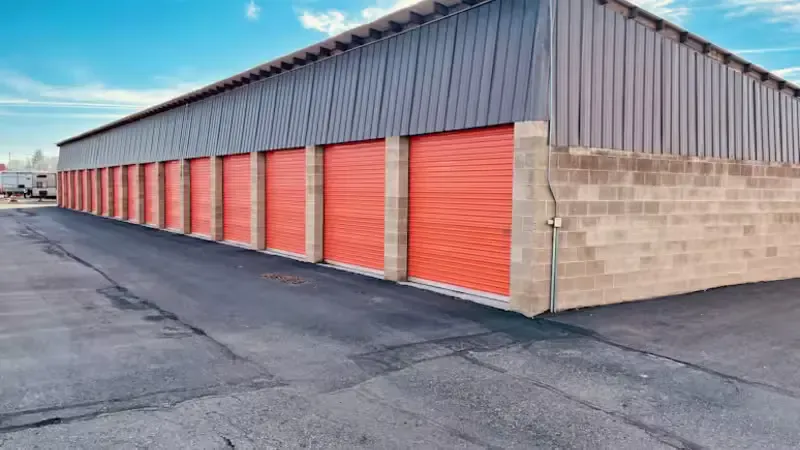
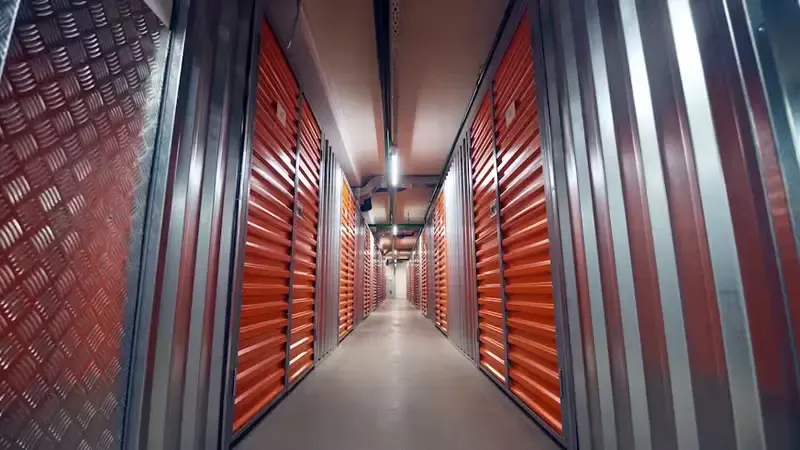
At that point, organizing is no longer enough. You may not want to part with heirlooms, seasonal décor, or furniture you plan to use later. Instead, what you really need is to separate everyday essentials from items used only occasionally. Rather than forcing difficult decisions about what to discard, local storage unitsprovide a practical way to move seldom-used belongings out of primary living areas and restore balance at home.
The Home Office to Nursery Transition
Many households initially enjoy the flexibility of a spare bedroom. It becomes a home office, a workout area, or a guest room. Then a new child enters the picture, and that flexible space suddenly requires a permanent purpose. Converting a home office into a nursery often reveals how little extra room there really is.
Relocating a desk and filing cabinets into a shared living area may work temporarily, but it often reduces productivity and increases distraction. Paperwork and equipment end up scattered in places not designed for focused work. When you cannot maintain both a functional workspace and a dedicated bedroom, it signals that your home no longer has surplus space. Growing families benefit from defined rooms that reduce daily compromise.
The Cluttered Entryway and the Shoe Mountain Phenomenon
Entryways handle a surprising amount of pressure in a busy household. Shoes pile up after school and work. Backpacks, sports bags, and jackets compete for hooks. Strollers and outdoor gear crowd corners. What was once a simple transition space becomes a daily source of frustration.
Limited entry storage disrupts routines. Mornings feel rushed because essential items are hard to locate. Evenings feel chaotic as everyone drops belongings wherever there is space. Installing cubbies or benches can improve organization, but if overflow continues into hallways and adjacent rooms, the deeper issue remains. Your storage capacity near high-traffic zones may not match the size and activity level of your household.
Pantry Overflow and the Bulk Buying Challenge
As families grow, grocery habits often shift toward efficiency. Buying in bulk reduces the number of trips to the store and saves money over time. However, most standard kitchen pantries are not designed to accommodate large quantities of dry goods, paper products, and backup supplies.
When pantry shelves are tightly packed, meal preparation slows. You may struggle to see what you already have, leading to overbuying or expired items. Some families start storing excess goods in laundry rooms or bedroom closets, further complicating organization. Adding pull-out shelving or reconfiguring cabinets can help, but persistent overflow suggests that your home lacks sufficient dedicated storage space for a growing household.
When Baby Gear Becomes a Safety Concern
Infant and toddler equipment takes up more space than many parents anticipate. Swings, activity centers, bassinets, and playpens often begin in one designated area. Gradually, they expand into hallways and common rooms as daily routines shift.
When gear blocks staircases or narrows walkways, safety becomes a serious concern. Clear paths are essential, especially during emergencies or busy mornings. Constantly moving equipment through your home indicates that space constraints are affecting more than just convenience. They are affecting your ability to maintain a safe environment. At this stage, finding ways to free up square footage becomes a practical necessity rather than a luxury.
How Clutter Impacts Family Well-Being and Shared Spaces
Physical clutter also influences mental well-being. When every visible surface holds items, your brain processes continuous visual input. Parents balancing work responsibilities and childcare often feel increased stress in environments that lack clear, calm spaces.
Shared areas like the living room should serve the entire family. If toys, crafts, and equipment permanently dominate the space, adults may feel displaced in their own home. Rotating toys, limiting what remains accessible at one time, and incorporating closed storage furniture can restore balance. If you cannot maintain a comfortable shared environment despite consistent effort, it may be time to reassess your overall storage strategy.
Seasonal Rotation and Making Long-Term Space Decisions
Seasonal belongings accumulate gradually. Holiday decorations, winter clothing, and boxes of outgrown children’s clothes often remain stored long after they are used. Even when organized, they consume valuable closet and garage space that could be used for daily needs.
Creating a clear rotation system helps. Label containers carefully and separate seasonal items from year-round essentials. Still, there comes a point when even organized storage feels excessive within the home. At that stage, families must evaluate broader solutions. Renovation may help in some cases. In others, external storage or future relocation may better support long-term needs.
Creating Space That Supports Your Family’s Next Chapter
Growing families place evolving demands on their homes. Full closets, crowded entryways, overflowing pantries, and compromised shared spaces all point to the same conclusion: a lack of space. The home that once felt spacious may no longer align with your daily reality.
Creating additional space, whether through renovation or strategic storage decisions, improves safety, efficiency, and overall quality of life. A well-functioning home should support your family’s growth rather than require constant adjustment to keep up. For more information, visit our website.