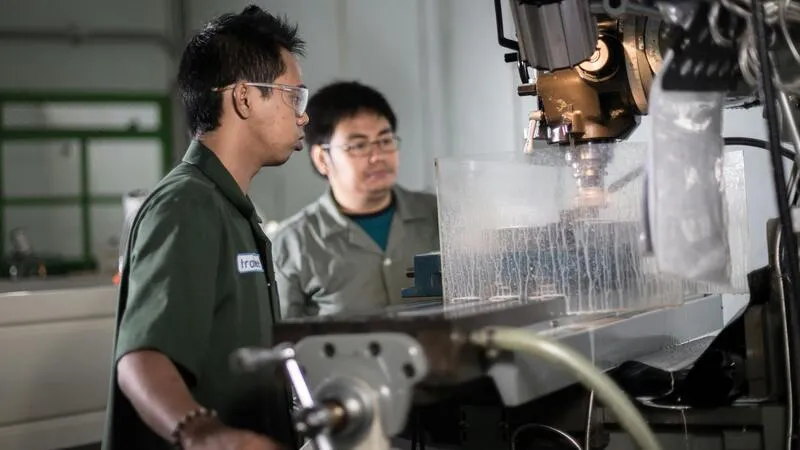
The industrial sector looks very different from what it did a decade ago. Today, it is driven by technology, precision, and constant innovation. Students exploring career options are starting to notice this shift. Industrial roles now offer strong job security, competitive pay, and opportunities to work with advanced systems that power global supply chains.
As industries grow more complex, employers are no longer looking for basic labor. They want individuals who understand systems, data, and automation. This shift has increased the demand for skilled professionals who can adapt to evolving technologies. That means students need to think carefully about how they prepare for these careers and choose educational paths that align with modern industry expectations.
The Shift from Manual Labor to Automation and Smart Technology
Industrial work has moved far beyond repetitive manual tasks. Automation, robotics, and smart systems now handle many of the physical processes that once required large workforces. As a result, employees are expected to manage, maintain, and improve these systems rather than simply operate them. This shift has changed the type of skills employers value most.
Students entering this field need to understand how machines communicate, how data is used to improve production, and how technology supports workplace efficiency. Learning these concepts early can give them a meaningful advantage as industrial roles become more technical. For example, a degree in manufacturing is a practical way to build that foundation, as it introduces students to the systems, processes, and problem-solving skills used in modern industry.
For students who need a more flexible path, an online BS manufacturing program can make that training more accessible while allowing them to keep up with work or family responsibilities. USC Upstate’s program is designed to prepare students for current manufacturing environments through industry-relevant instruction and applied learning. This type of preparation helps students stay adaptable as new tools and technologies continue to shape the field.
Essential Soft Skills for Industrial Success
Technical knowledge alone is not enough in modern industrial roles. Employers are increasingly looking for individuals who can think critically and solve problems in real time. When systems fail or processes slow down, workers must analyze the situation quickly and make informed decisions. Strong analytical thinking becomes a daily requirement, not just a bonus skill.
Communication also plays a major role. Industrial environments often involve teams working across departments, from engineering to operations. Clear communication helps prevent errors and keeps projects moving forward. Technology evolves quickly, and professionals must stay open to learning new systems and methods throughout their careers.
The Role of Certifications and Specialized Training
Certifications can strengthen a student’s profile and show employers that they are serious about their career path. Many industries value credentials related to safety standards, quality control, or specific technologies. These certifications often focus on practical knowledge, which complements what students learn in academic programs.
Specialized training also helps bridge the gap between theory and real-world application. Students who combine formal education with hands-on learning opportunities tend to stand out during the hiring process. Employers often prefer candidates who can demonstrate both knowledge and experience, making certifications a valuable step toward long-term career growth.
Understanding the Skills Gap in Industrial Fields
The “skills gap” is one of the biggest challenges facing industrial employers today. Companies are expanding, but many struggle to find candidates with the right mix of technical knowledge and practical experience.
Areas such as automation, robotics maintenance, and process optimization are in high demand. Students who build expertise in these fields often find more job openings and better starting salaries. Paying attention to industry trends can help you choose a path that aligns with where the demand is growing, not where it has already peaked.
Navigating Work-Life Balance in Industrial Careers
Industrial roles can be rewarding, but they also come with responsibilities that require careful time management. Some positions involve shift work, production deadlines, or on-site problem-solving. Understanding these expectations early helps students prepare for the pace and structure of the work environment.
That said, many professionals find ways to create balance by developing strong organizational habits. Planning, setting clear priorities, and maintaining boundaries between work and personal life can make a big difference. As you move into leadership roles, these skills become even more important for managing both your team and your schedule effectively.
Degree vs. Experience: Evaluating Long-Term ROI
Some students consider entering the workforce immediately instead of pursuing a degree. While entry-level jobs can provide quick income and experience, they may limit long-term growth. Without formal education, advancing into leadership or specialized technical roles can become more challenging over time.
A dedicated degree often opens more doors. It provides structured knowledge, builds credibility, and positions you for higher-paying roles earlier in your career. Over the long term, this investment can lead to greater stability and upward mobility, especially in industries that continue to evolve with new technologies.
Exploring Career Pathways in Industrial Fields
Industrial careers offer more variety than many students expect. You can work in production management, quality assurance, supply chain operations, or even systems design. Each path requires a slightly different skill set, which is why it helps to explore options before committing to a specific direction.
Understanding these roles early allows you to tailor your education and training. For example, someone interested in operations may focus on efficiency and logistics, while another student may lean toward automation and engineering systems. Taking the time to research these paths can help you build a career that aligns with both your interests and long-term goals.
Building a Future in Modern Industry
Preparing for a career in industrial fields requires more than just choosing a major. It involves understanding how the industry is evolving, developing both technical and soft skills, and staying aware of where opportunities are growing. Students who take a proactive approach tend to stand out in a competitive job market.
With the right preparation, industrial careers offer strong growth, stability, and the chance to work on systems that impact everyday life. From manufacturing to logistics, these roles play a key part in shaping how products are made and delivered. For students willing to invest in the right skills and education, the path forward is both practical and rewarding. For more information, visit our site.