Key Takeaways
- Modern heating technologies provide significant energy and environmental savings.
- Solutions such as heat pumps, advanced boilers, and smart thermostats can reduce both usage and costs.
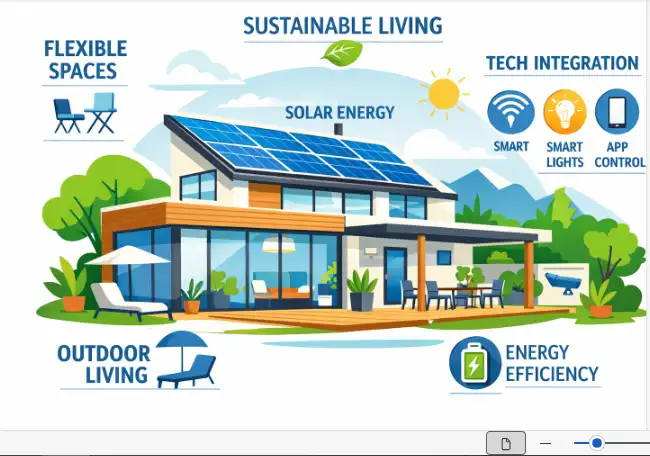
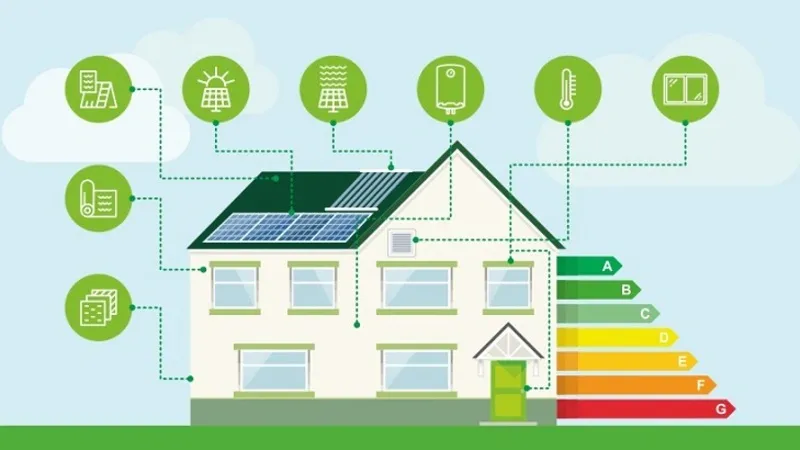
- Insulation and renewable energy integration further maximize home heating efficiency and sustainability.
With rising energy costs and increasing environmental awareness, homeowners are seeking innovative ways to heat their homes efficiently, comfortably, and sustainably. The choices made today can affect both household budgets and environmental impact for years to come. Exploring the latest heating technologies and strategies is essential for anyone looking to create a warm, cost-effective, and environmentally responsible home. For those with fireplaces or older chimneys, partnering with a trusted chimney company Kansas City ensures that all parts of your home heating system are both safe and efficient.
Advanced solutions such as heat pumps, high-efficiency boilers, and smart thermostats enable significant energy savings while maintaining comfort. Integrating these systems with improved insulation and renewable energy can enhance household energy efficiency. Homeowners today can exercise greater control over their energy use and environmental impact. Understanding available options is key to making informed investments, whether in new builds or renovations, leading to reduced costs, lower carbon emissions, increased property value, and enhanced peace of mind. Staying up to date on these technologies helps homeowners achieve optimal heating efficiency.
Heat Pumps: A Sustainable Alternative
Heat pumps have revolutionized residential heating. Unlike traditional furnaces that generate heat, heat pumps move heat from the outside air or ground into the home, making them incredibly efficient even in colder climates. This technology slashes greenhouse gas emissions by relying less on fossil fuels. While the upfront cost may be higher than for conventional heating options, many municipalities offer substantial rebates or incentives to help offset installation costs. Over time, savings on monthly utility bills make this a smart financial and environmental choice. According to the U.S. Department of Energy, heat pumps can reduce your heating electricity use by approximately 50% compared to electric resistance heating.
High-Efficiency Boilers
In regions where boilers are common, upgrading to a modern condensing model dramatically boosts system performance. High-efficiency boilers extract more energy from the same amount of fuel by capturing additional heat from exhaust gases. Many new models achieve efficiency ratings of 90% or higher, translating into immediate cost savings for homeowners. When paired with programmable controls or smart thermostats, these boilers provide further reductions in energy waste. It is advisable to consult an experienced installer to determine the best configuration for your home size and usage habits.
Smart Thermostats
Smart thermostats are transforming how homes are heated, allowing users to control settings via mobile devices and voice-activated systems. These devices use sensors and algorithms to learn occupancy patterns and automatically adjust temperatures, ensuring energy is used only when needed. This not only lowers utility bills but also reduces environmental impact by using less fuel or electricity. Integration with other home technologies enables even greater automation and efficiency. The Environmental Protection Agency’s ENERGY STAR program notes that households using smart thermostats can save up to 8% annually on heating and cooling costs.
Radiant Floor Heating Systems
Radiant floor heating uses circulatory heat beneath the floors to provide uniform warmth throughout interior spaces. By installing electric heating elements or warm water pipes under the floor, these systems eliminate drafts and provide soothing heat ideal for well-insulated or tiled homes. Radiant heating often requires lower air temperatures to feel comfortable, which can mean additional energy savings over time. It is especially popular in areas where cold floors are an issue or in open-plan living areas where consistent heat distribution is important.
Ductless Mini-Split Systems
Ductless mini-split systems are versatile solutions for homes without existing ductwork. They consist of one or more indoor units linked to an outdoor compressor, enabling different rooms, or zones, to be heated independently. Zoned heating means rooms are heated only when occupied, minimizing waste. Mini-splits are highly efficient, often boasting higher Seasonal Energy Efficiency Ratio (SEER) and Heating Seasonal Performance Factor (HSPF) ratings than central systems. These systems provide an effective and flexible option for additions, renovated spaces, or homes with varied heating needs.
Hybrid Heating Systems
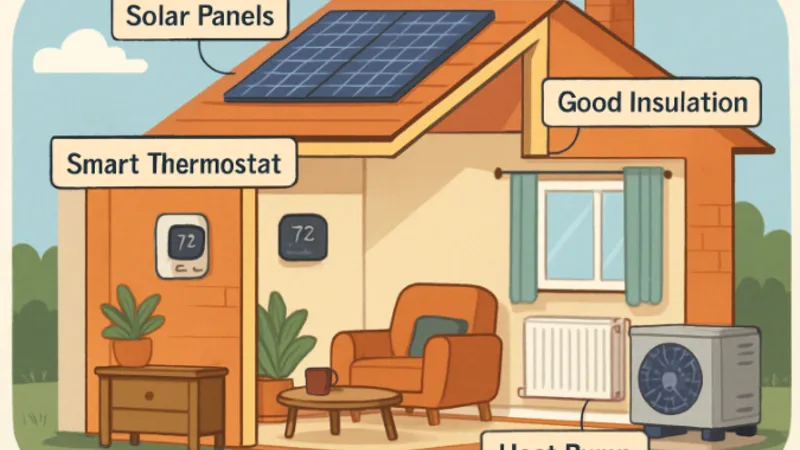
Hybrid heating systems blend the strengths of electric heat pumps with the reliable backup of a gas furnace. The system automatically chooses the most efficient fuel source based on outside temperatures. During mild weather, the heat pump operates at maximum efficiency. As temperatures drop, the system switches to the gas furnace for consistent performance. This approach maintains comfort while keeping running costs and emissions lower than single-source systems.
The Role of Insulation
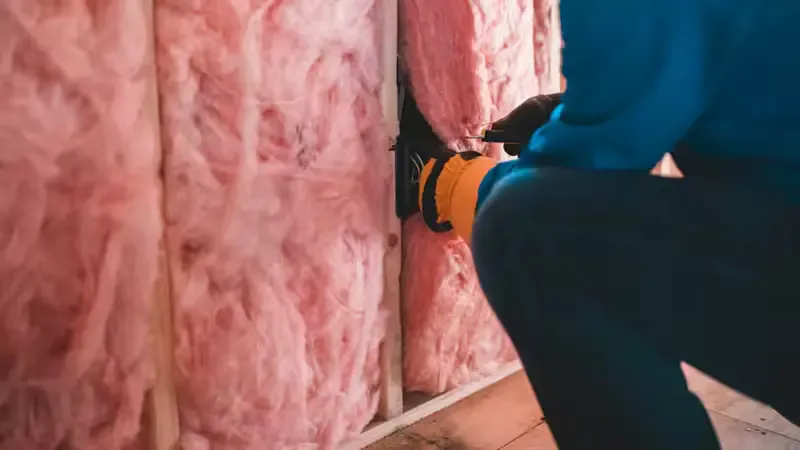
Proper insulation is one of the most critical factors in determining how efficiently a heating system can perform. Rooms with poor insulation allow heat to escape rapidly, forcing systems to work harder and driving up costs. Investing in wall, roof, and underfloor insulation, as well as upgrading windows and sealing drafts, helps keep warm air inside where it belongs. Modern glazing and weatherproofing can dramatically reduce heat loss, improve comfort, and enable advanced heating technologies to operate at optimal efficiency.
Integrating Renewable Energy Sources
For homeowners seeking maximum sustainability, integrating renewable energy with heating systems is key. Solar panels can provide clean electricity for heat pumps or charge batteries for later use. Solar thermal panels preheat water for radiant floor pipes or domestic hot water, reducing reliance on fossil-fuel-powered heating. In some cases, geothermal heat pumps offer a viable alternative by drawing stable heat from below ground. Combining renewables with efficient heating equipment sharply lowers household carbon footprints and achieves long-term energy security.
As the market for efficient home heating continues to expand, more affordable and varied options become available. Whether upgrading an old system or designing a new build, combining the right heating technologies with proper insulation and renewable energy integration results in a home that is comfortable, cost-effective, and environmentally sound. Staying current with advancements in heating solutions means homeowners can reap benefits for years to come. For more information, visit our website.