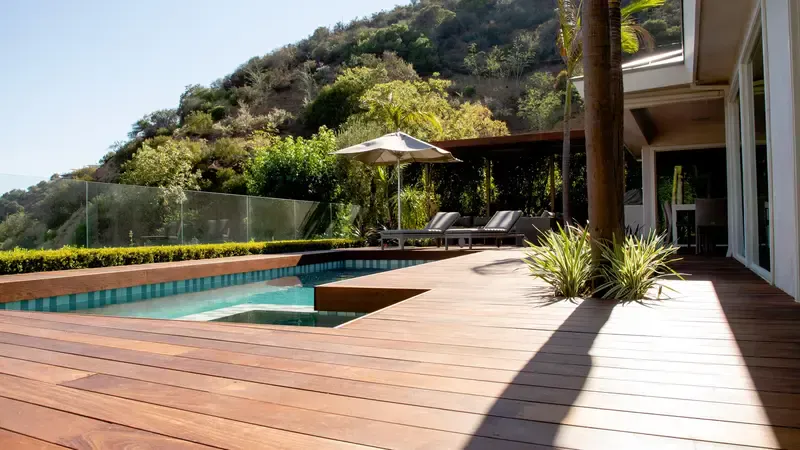
When you picture your ideal backyard space, crisp morning coffee, summer barbecues, or stargazing with friends, the surface underfoot makes a more lasting impression than you might think. Choosing what your deck is made of isn’t just about looks; it’s about long-term performance, ease of care, and how well your outdoor space holds up in San Antonio’s intense summer sun, occasional storms, and year-round living.
Why Material Choices Matter More Than You Realize
Not all decking materials perform the same when it comes to heat, moisture, and everyday wear. In regions with strong sunlight and fluctuating temperatures, materials can expand, warp, or fade, and that’s where smart choices up front pay dividends. The surface you walk on affects maintenance time, staining, structural integrity, and even comfort; for example, darker materials can get uncomfortably hot underfoot during peak summer afternoons. Across many professional deck builders’ portfolios, including how US Quality Construction and others discuss material options, three themes consistently rise: durability, maintenance expectations, and aesthetic longevity. The right choice also influences how furniture, planters, and built-in features like benches or storage integrate with the deck over time.
Traditional Wood: Natural Beauty, with Real Trade-Offs
Wood decking, such as cedar or pressure-treated lumber, offers a timeless look that many homeowners love for its warmth, texture, and natural grain patterns. It fits seamlessly with landscaping, mature foliage, and natural stone elements. For homeowners who prefer the authenticity of real wood, it provides a tactile experience and can even enhance resale appeal when well-maintained.
The trade-offs come in maintenance and longevity. Wood must be sealed regularly to prevent moisture infiltration, and in places that bake under Texas sunshine, boards can fade, check (develop small surface cracks), or cup over time. Rain, sprinklers, and humidity can cause rot in spots that stay damp or shaded. To maximize lifespan, consider designs that promote airflow under and between boards, install flashing where decks meet the house, and schedule seasonal inspections. With care and proper detailing, wood remains a favorite for those who value classic, natural aesthetics.
Composite Decking: Low-Maintenance Performance
Composite decking blends wood fibers with recycled plastics, creating boards that resist rot, insect damage, and moisture intrusion; this makes them an excellent choice where hot, wet, and dry cycles alternate throughout the year. Composite boards are manufactured with UV inhibitors to slow fading, making them ideal for decks exposed to direct sunlight most of the day.
For busy homeowners, composite decking requires less frequent sanding, sealing, or refinishing than wood. Cleanup is simple; a broom, hose, and occasional mild cleaner are often enough to keep the deck looking fresh. Composites also provide consistent color and texture across boards, which can be advantageous if you’re creating zones with furniture, planters, or built-in seating. While the upfront cost is often higher than wood, the reduced maintenance and longevity often balance out over time, especially in climates like San Antonio’s.
Hidden Elements That Matter: Fasteners, Railings, and Understructure
Choosing your decking boards is only one part of a successful deck project; fasteners, railings, and the understructure play equally important roles. Stainless steel or coated screws and hidden fasteners resist corrosion in humid conditions and maintain a cleaner appearance over time. Properly spaced gaps between boards allow water to drain and air to circulate, reducing the risk of moisture-related issues and enhancing comfort underfoot.
Railings with secure connections, load-rated posts, and safe heights not only meet building codes but also add a finishing touch that blends with your home’s design. The substructure, including joists, beams, and footings, must accommodate weight, span distances, and soil conditions, as even the most beautiful decking can fail if the base isn’t properly designed. Attention to these hidden elements ensures long-term structural integrity, reduces future repairs, and keeps your deck safe and comfortable for years.
Sun, Shade, and Local Climate: Tailoring Choices to San Antonio’s Weather
San Antonio homeowners face long, hot summers with intense UV exposure; this climate has a big impact on material performance. Some decking materials are heat-resistant and feel cooler underfoot, while others can become extremely hot, making barefoot use uncomfortable. Lighter-colored boards or those with heat-reflective additives can improve usability during summer months, while pergolas, shade sails, or strategically placed trees provide relief from the sun and reduce thermal stress on boards.
Moisture is another consideration. Even in a predominantly dry climate, seasonal rainstorms or high-humidity days can affect wood, causing warping or mold growth if water isn’t allowed to drain properly. For homeowners exploring “best decking for hot climates,” understanding local conditions is crucial for choosing materials, finishes, and deck design that last.
Maintenance Realities: What Your Weekly and Yearly To-Dos Look Like
All decking materials require some level of care; the type and frequency vary depending on the material. Wood needs periodic sealing, staining, and inspection for cracks, splinters, or rotting boards. Composite decks, while low-maintenance, benefit from regular sweeping, occasional washing to remove debris, and clearing leaves or organic matter that can trap moisture.
Where your deck meets landscaping or irrigation zones, leaves and debris can create moisture pockets; keeping these areas clear prevents staining and prolongs the lifespan. Properly planned cleaning schedules not only preserve aesthetics but also reduce slip hazards and maintain the structural health of the deck. Understanding maintenance expectations upfront helps homeowners choose a material that matches their lifestyle and available time commitment.
Balancing Aesthetics, Function, and Cost
Ultimately, choosing deck materials is about balancing aesthetic preferences, functional needs, and long-term cost considerations. A beautiful deck isn’t just about appearance; it’s about usability, durability, and enjoyment for your family. Prioritizing what matters most, such as ease of maintenance, heat comfort, resistance to moisture, or natural beauty, helps narrow down material choices and supports decision-making.
By approaching the process with practical insights and realistic expectations, your backyard can become the destination you envision. Thoughtful material selection, proper installation, and consideration of maintenance realities ensure your deck continues to provide comfort, enjoyment, and aesthetic value for years to come. For homeowners looking for professional guidance on material selection and deck design, consulting experts like US Quality Construction can provide insights into durability, local climate considerations, and design options that meet lifestyle needs. For more information, visit our website.